.png)
.jpeg)
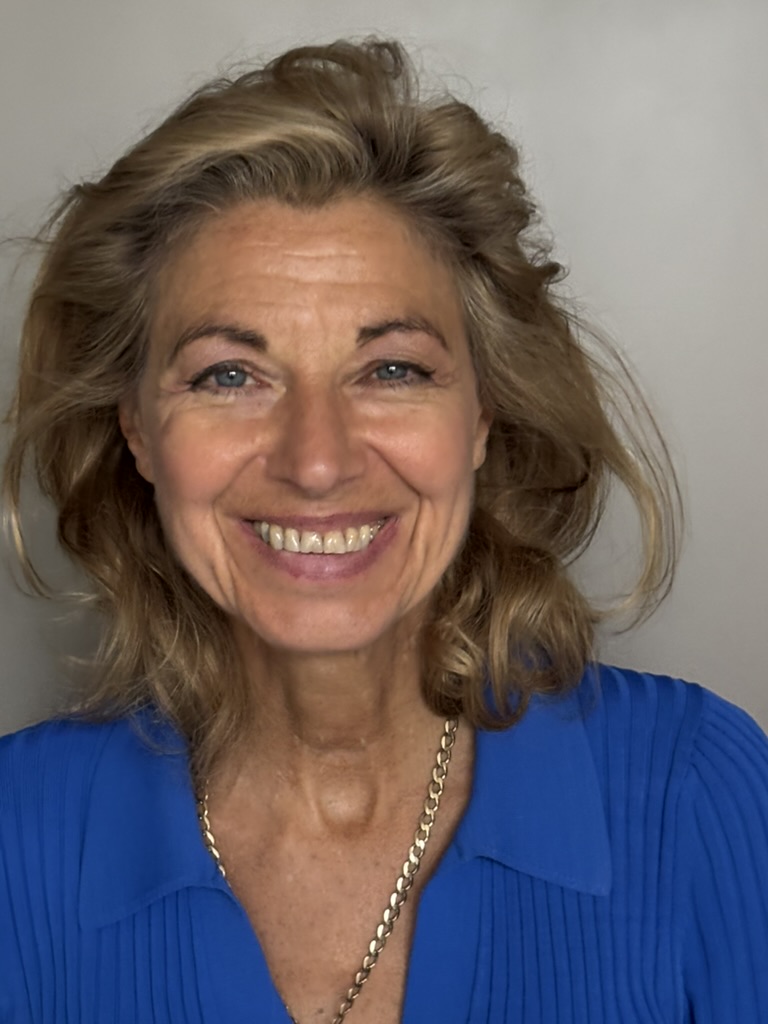
Olivia Giles was working as a lawyer in 2002 when she caught meningococcal septicaemia, a severe, life-threatening bacterial infection of the bloodstream caused by Neisseria meningitidis.
The bacteria release toxins that damage blood vessels, causing internal bleeding and requires immediate medical intervention with intravenous antibiotics. Only urgent antibiotic intervention was able to keep her alive, though not without cost. She woke from a coma to find her hands and feet had been amputated.
Olivia’s story is one of remarkable resilience and a powerful testament to the life-saving power of medicines we are in grave danger of losing due to antimicrobial resistance.
.jpeg)
Your symptoms progressed from a simple rash to a life-threatening crisis in just hours. Looking back, how do you view the role of immediate antibiotic intervention in ensuring you survived at all?
I would not be here without those antibiotics. I began feeling ill one afternoon at work. It felt like a bad cold, nothing more. But within hours my hands and feet were freezing, itching, and by the following afternoon covered in angry purple marks. I was unconscious and in intensive care within twenty-four hours.
When I eventually came round, I was told that my husband had signed an agreement for me to receive trial antibiotics while I was in a coma. He made that decision for me, and it saved my life.
Now, people sometimes ask about the amputations, and yes, the treatment did contribute to the gangrene that ultimately meant my lower arms and lower legs could not be saved. But I want to be absolutely clear that without those antibiotics, there would have been no amputation decision to make, because I simply would not have survived. The antibiotics bought me my life, and everything else came after.
Looking back at your diagnosis, how has that experience shaped your view on the necessity of having effective antibiotics available?
Effective antibiotics did not just save my life, they gave me back the chance to build one. I came round in a hospital bed a month later, my limbs heavily bandaged, raw sores across my body from where skin grafts had been taken. It was a long, painful journey to where I am today. But I was on that road at all because the NHS acted quickly and had the tools to do so.
I am however very aware that not everyone gets the outcome I did. I was incredibly fortunate to be in Edinburgh, have access to world-class care, and a medical team who fought relentlessly to keep me alive. The NHS was truly incredible, and I will never stop being grateful for that.
But that gratitude comes wrapped in an awareness that my story could have ended very differently, and for many people it does. Having effective antibiotics available is not a luxury, it is the difference between life and death, and we must never treat it as anything less.
"We need to be investing in developing new antibiotics now, urgently, and we need to be protecting the ones we still have."
Your symptoms progressed from a simple rash to a life-threatening crisis in just hours. Looking back, how do you view the role of immediate antibiotic intervention in ensuring you survived at all?
I would not be here without those antibiotics. I began feeling ill one afternoon at work. It felt like a bad cold, nothing more. But within hours my hands and feet were freezing, itching, and by the following afternoon covered in angry purple marks. I was unconscious and in intensive care within twenty-four hours.
When I eventually came round, I was told that my husband had signed an agreement for me to receive trial antibiotics while I was in a coma. He made that decision for me, and it saved my life.
Now, people sometimes ask about the amputations, and yes, the treatment did contribute to the gangrene that ultimately meant my lower arms and lower legs could not be saved. But I want to be absolutely clear that without those antibiotics, there would have been no amputation decision to make, because I simply would not have survived. The antibiotics bought me my life, and everything else came after.
Looking back at your diagnosis, how has that experience shaped your view on the necessity of having effective antibiotics available?
Effective antibiotics did not just save my life, they gave me back the chance to build one. I came round in a hospital bed a month later, my limbs heavily bandaged, raw sores across my body from where skin grafts had been taken. It was a long, painful journey to where I am today. But I was on that road at all because the NHS acted quickly and had the tools to do so.
I am however very aware that not everyone gets the outcome I did. I was incredibly fortunate to be in Edinburgh, have access to world-class care, and a medical team who fought relentlessly to keep me alive. The NHS was truly incredible, and I will never stop being grateful for that.
But that gratitude comes wrapped in an awareness that my story could have ended very differently, and for many people it does. Having effective antibiotics available is not a luxury, it is the difference between life and death, and we must never treat it as anything less.